Study: Women's Participation in Local Politics in Saxony
Whether in the state parliament or local representative bodies, Saxony ranks among the lowest in Germany when it comes to the representation of women in politics. The reasons for the low proportion of women in parliaments are diverse: the rise of anti-democratic and right-wing extremist positions is perceived as threatening, particularly in rural areas. In local parliaments, women frequently encounter sexism and established male networks, while also facing challenging conditions regarding the balance between work, family, and private life.
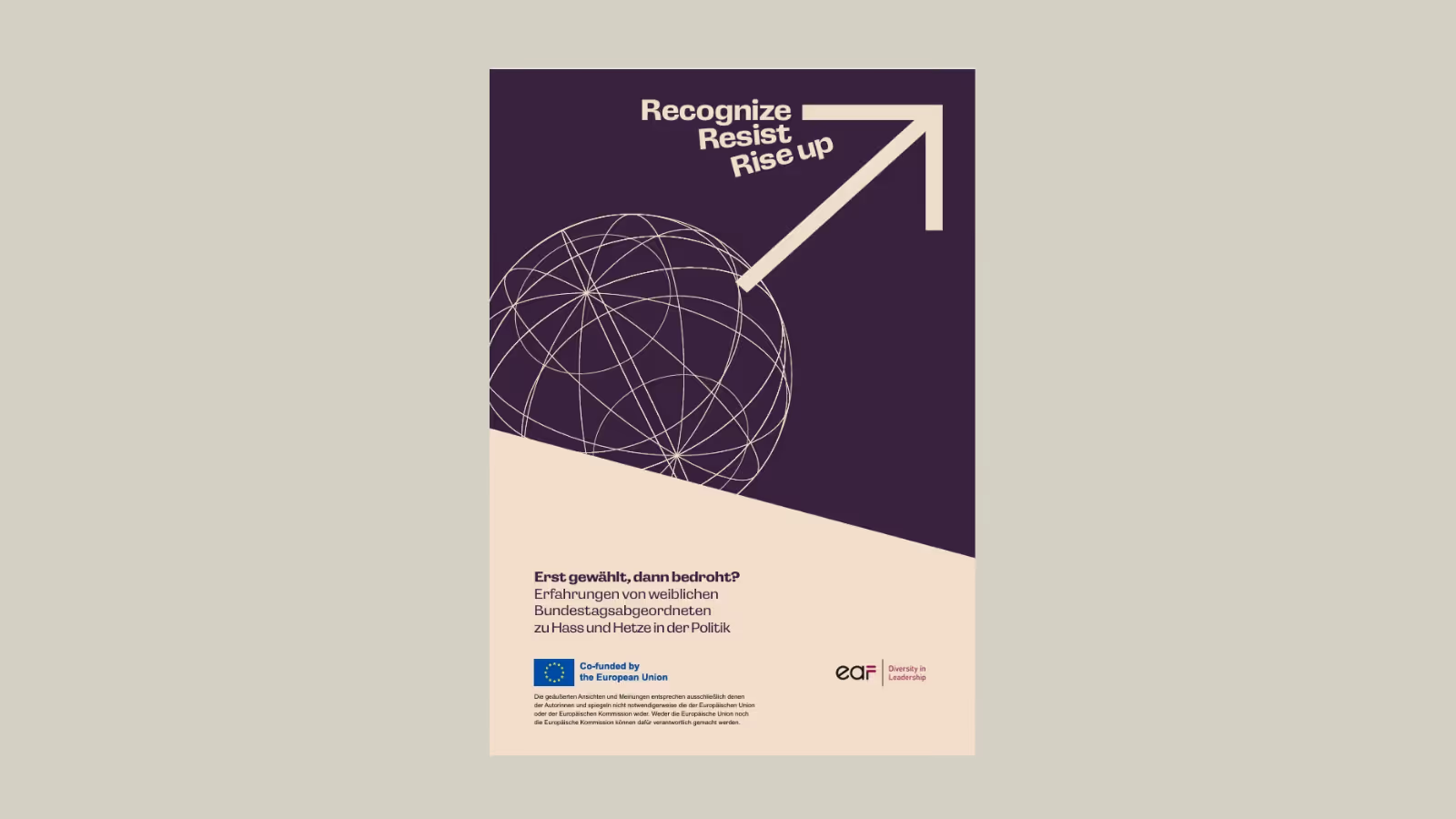
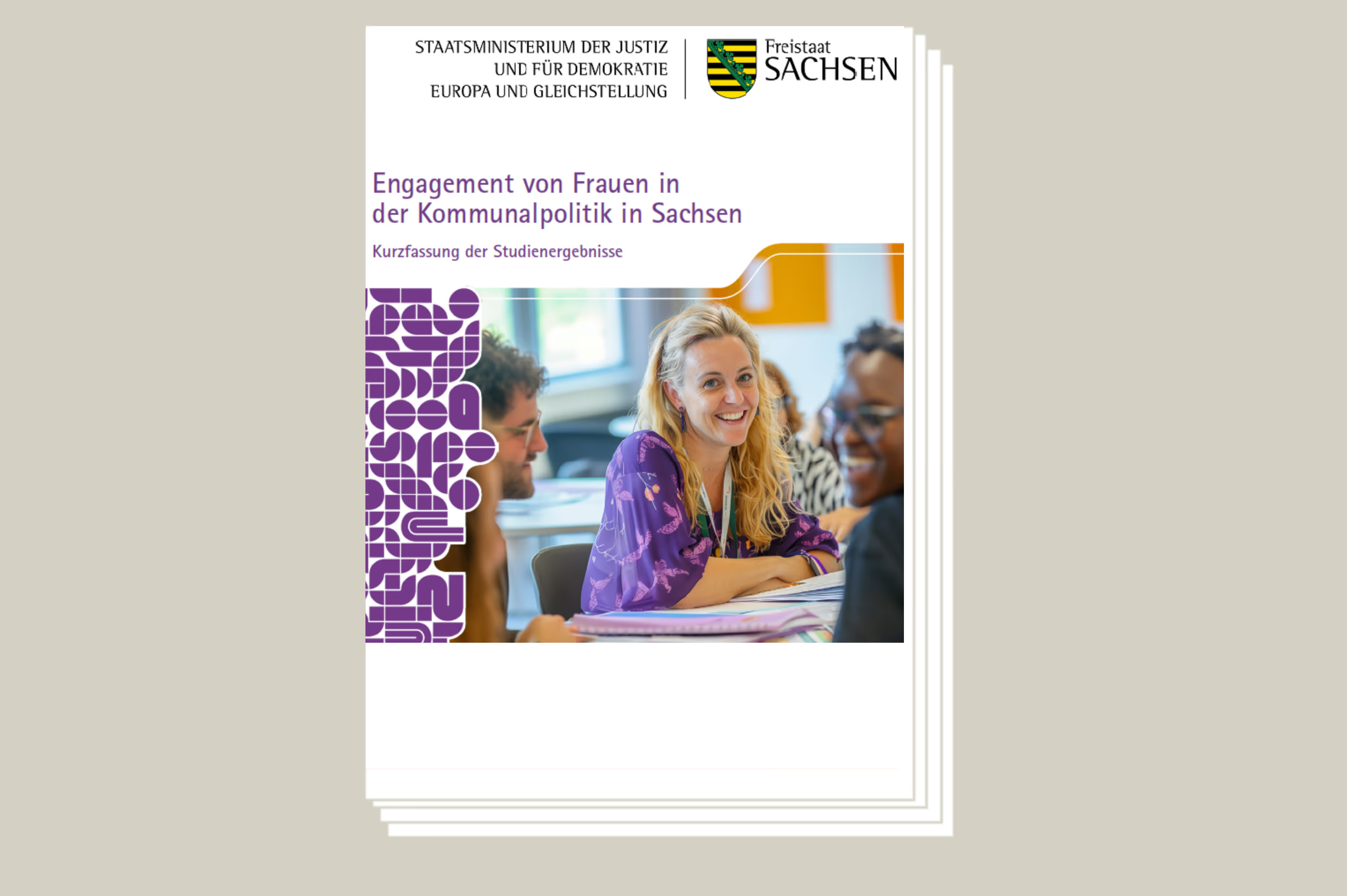
The study "Women's Engagement in Local Politics in Saxony" by EAF Berlin was commissioned by the Saxon State Ministry of Justice and for Democracy, Europe and Gender Equality (SMJusDEG) and conducted by Kathrin Mahler Walther, Anna Sive, Lisa Hempe, and Dr. Helga Lukoschat. It examines pathways to entry, motivational and success factors, as well as barriers, hurdles, expectations, and needs regarding the fulfillment of a local political mandate in Saxony.
Local political engagement is rooted in socialization
Data collection for this qualitative empirical study took place between October 2023 and March 2024. A total of 89 local female politicians, as well as women involved in party politics and civil society without a mandate, were surveyed across all districts and independent cities in Saxony. The study shows that local political engagement is often rooted in socialization within the family or personal environment. Entry into local politics frequently stems from involvement in civil society or educational institutions. Women active in local politics or civil society want to support their home region and make a difference locally. Their motivation is often accompanied by a desire to pass something positive on to the next generation, frequently linked to concerns about the future of the region.
Urgent need to implement recommendations for action
Minister for Gender Equality Katja Meier: "Our study shows that women weigh very carefully whether they want to get involved in local politics. It is not a lack of political interest or desire to shape policy that holds them back, but rather a frequent lack of suitable framework conditions that take women's needs into account. Added to this is a current political climate characterized by populism and hostility, which is increasingly normalizing sexist abuse and gender stereotyping. To halt this regression and make Saxony a sustainable and livable place for everyone, we need more women in our parliaments. We have taken a first step with this study. Implementing the recommendations for action formulated within it would be an urgently needed next step."
Hurdles caused by structural framework conditions
Due to deeply ingrained social gender roles and the resulting unequal division of labor, women often have fewer material and time resources available for local political engagement. Furthermore, institutional framework conditions interact directly with the barriers that exist regarding the balance between work, family, and volunteerism. These include meeting times that run late into the evening, time-consuming preparation, a lack of financial compensation for necessary childcare, and, especially in rural areas, long travel times.
Sexism, hostility, and threats
In addition to these structural factors, experiences of devaluation and exclusion, as well as the general social and political climate, are significant problems. Almost all the politicians surveyed reported experiencing sexism in their local political work. They encounter it in their interactions with party colleagues, council members, citizens, and the media. The rise of anti-democratic attitudes and the generally polarized social atmosphere also bring the issue of hostility and threats to the forefront. This represents a major obstacle to promoting the representation of women and other marginalized individuals in local politics.
"The escalating political and social climate is perceived by many women as daunting and threatening. At the same time, it often leads to a 'now more than ever!' attitude and serves as a strong motivation to get involved in local politics right now," says Kathrin Mahler Walther, study director and managing chair of EAF Berlin.
Recommendations for action
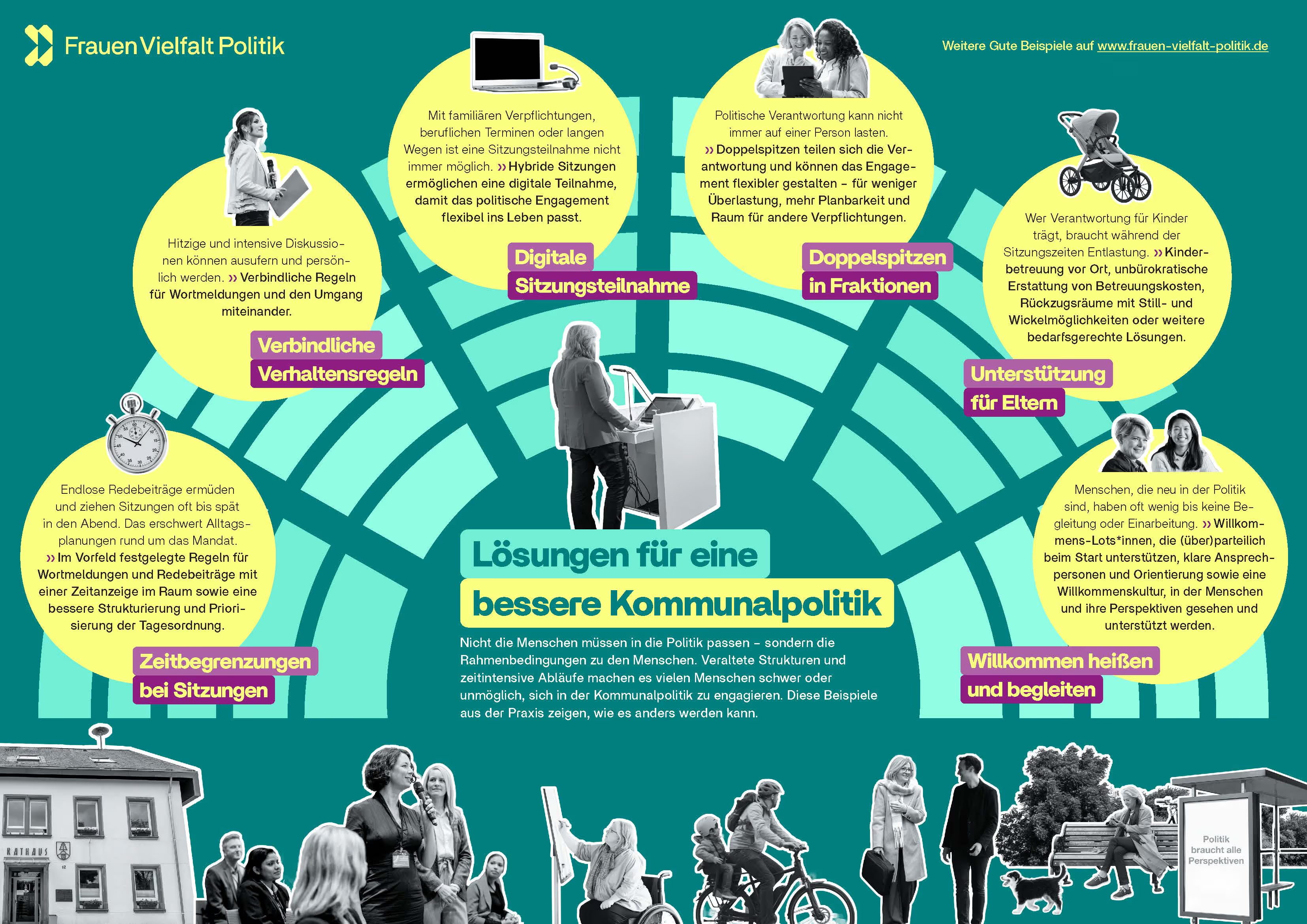
The study outlines clear recommendations for action for the incoming state government, municipal associations, local authorities, political parties, and civil society actors. It is crucial to address the diversity of these obstacles and to specifically target and dismantle barriers for women with a migration background or experiences of racism, women with disabilities, queer women, single parents, and women in precarious living conditions, as their representation in local politics is particularly low.
Background to the study
The study was conducted as part of the implementation of the expert commission's catalog of measures for the equal participation of women in elected offices. Its goal was to gain actionable insights into how to increase the proportion of women in local political mandates and offices and to improve the overall attractiveness of local political engagement. Following the 2024 local elections in Saxony, the average proportion of elected women is 22.2 percent in municipal and city councils and 19.2 percent in district councils. This places Saxony among the lowest in Germany.
Download the study
Kathrin Mahler Walther, Anna Sive, Lisa Hempe, Dr. Helga Lukoschat (2024): Women's Participation in Local Politics in Saxony. Publisher: Saxon State Ministry of Justice and for Democracy,
Europe and Gender Equality