Meeting of female mayors from Germany, Austria, and Switzerland

Female mayors from Germany, Austria, and Switzerland face the same challenges: between 10 and 15 percent of all mayoral offices in these three countries are held by women. Together, the German Association of Towns and Municipalities, the Austrian Association of Municipalities, the Swiss Association of Municipalities, and EAF Berlin aim to identify what is needed to increase the proportion of women in local politics.
Following a joint conference for female mayors in Vienna last year, representatives from the three countries met on May 11 and 12 for the first joint congress for female mayors in Berlin. The women's network received high-profile support from the wives of the German and Austrian presidents, Elke Büdenbender and Doris Schmidauer, who serve as patrons of this cross-border congress.
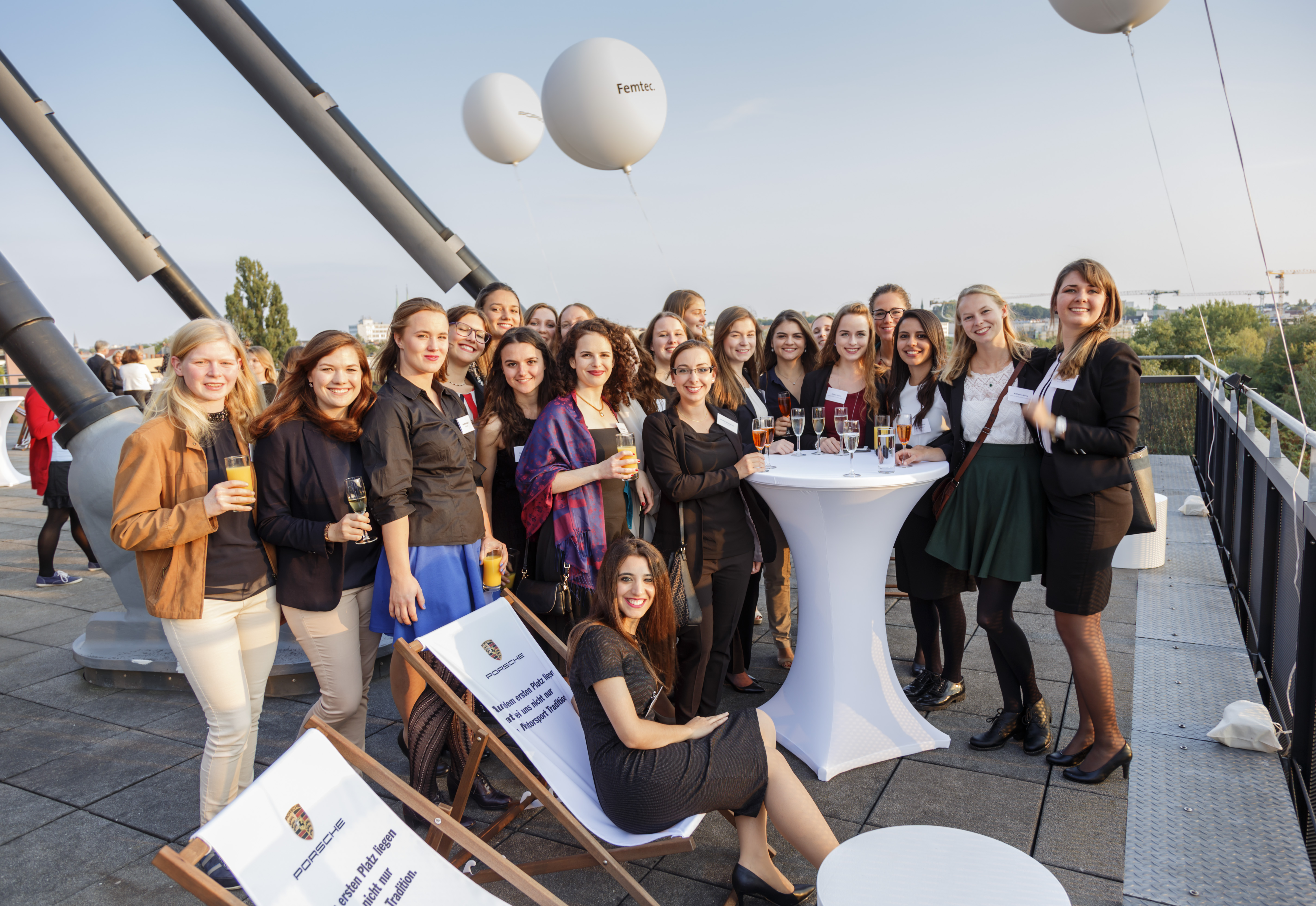
Around 100 local politicians gathered to discuss ideas and concepts for a more female-oriented local politics. During the deliberations, it became clear that realigning policy in cities and municipalities to make local government roles more attractive to women is necessary for more than just equality. Having more women in positions of responsibility improves the quality of political decision-making and changes the perspective on local challenges.
"The political systems in our three countries are different, but the hurdles that female mayors face are very similar. To overcome them, we need solidarity, an exchange of experience, and networking. Together, we are exploring how our mayors can be supported in their work and what structural changes are needed to encourage more women to enter local politics," says Doris Schmidauer.
Elke Büdenbender: "Decisions at the local level have a direct impact on people's daily lives. That is why women must have an equal say in decision-making. We have been looking for cross-border solutions on how to get more women into local politics and how to keep those who are already active. A family-friendly work culture, targeted support for women, a partnership between women and men on equal terms, and consistent action against hate speech on social media are all part of the solution."
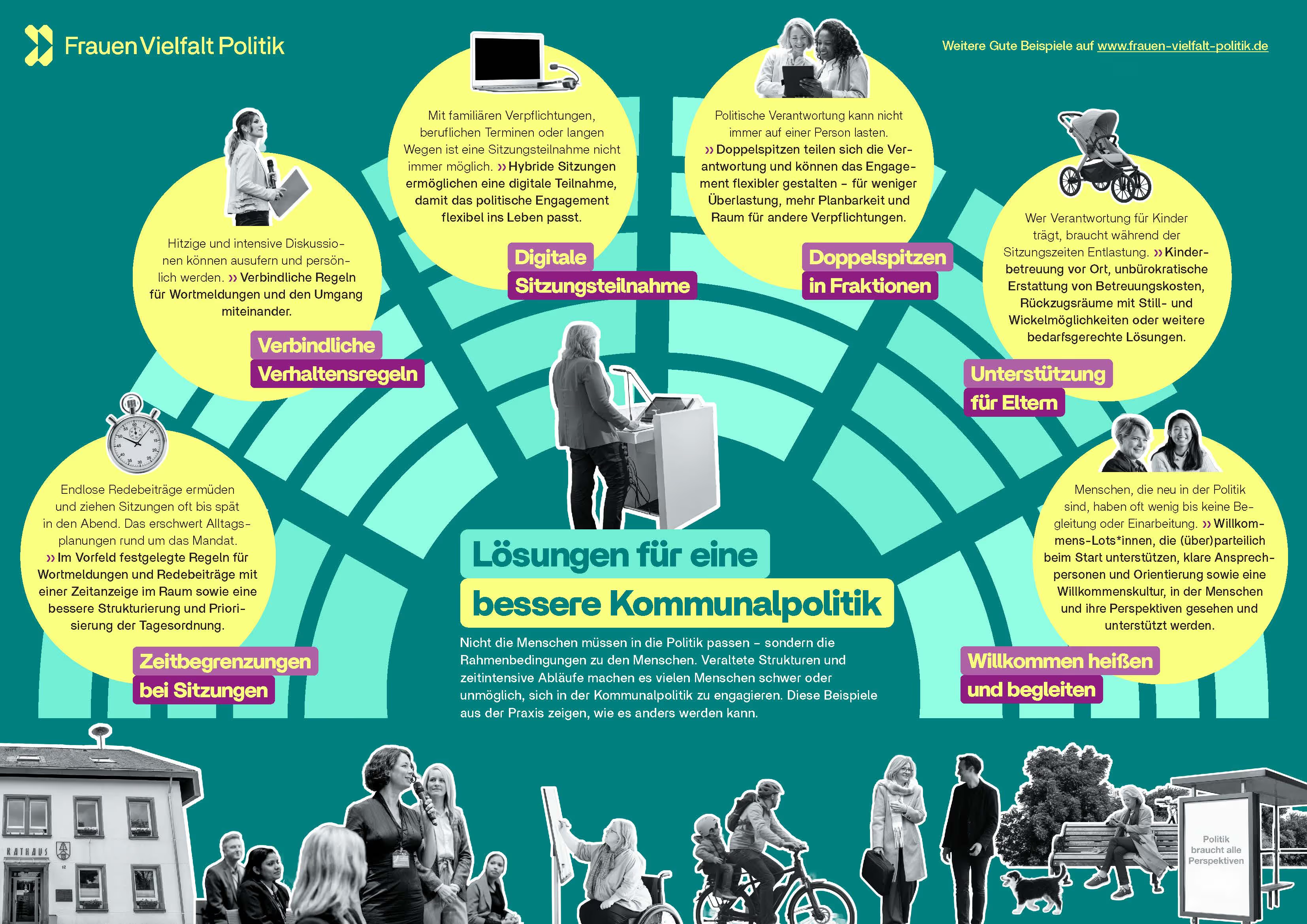
At the conference, the joint declaration "Female Mayors are Encouragers for Women" was adopted by the mayors from the three countries. In six concrete demands, the representatives advocate for a sustainable increase in the number of women in local politics, not least to boost the proportion of women in top leadership positions in local government and other sectors. Starting with their role as role models and encouragers for other women, the mayors' declaration calls for, among other things, more flexible working time models, new meeting structures, the promotion of networks and young talent, and the development of cross-border statistics on women in local politics.
"Female mayors are encouragers for all women," the mayors from Germany, Austria, and Switzerland stated in unison. "We need even more of these role models in local politics—for leadership positions just as much as for associations or in administration." Furthermore, the mayors are clear: "Where women take on responsibility, the social climate is different: togetherness is also important. We need diversity in thinking and acting. That makes our decisions better and more future-proof. Appreciative interaction and respectful discussions create a different form of togetherness. And we need much more of that in our society."
Many steps are necessary on the path to the goal of attracting more women to local politics. Following the first conference for female mayors in Vienna in 2022, this meeting of mayors from the three countries is intended to be another milestone in the sustainable promotion of this issue. The next meeting in 2024 has already been scheduled.