She Can – Empowering women in Ukrainian municipalities
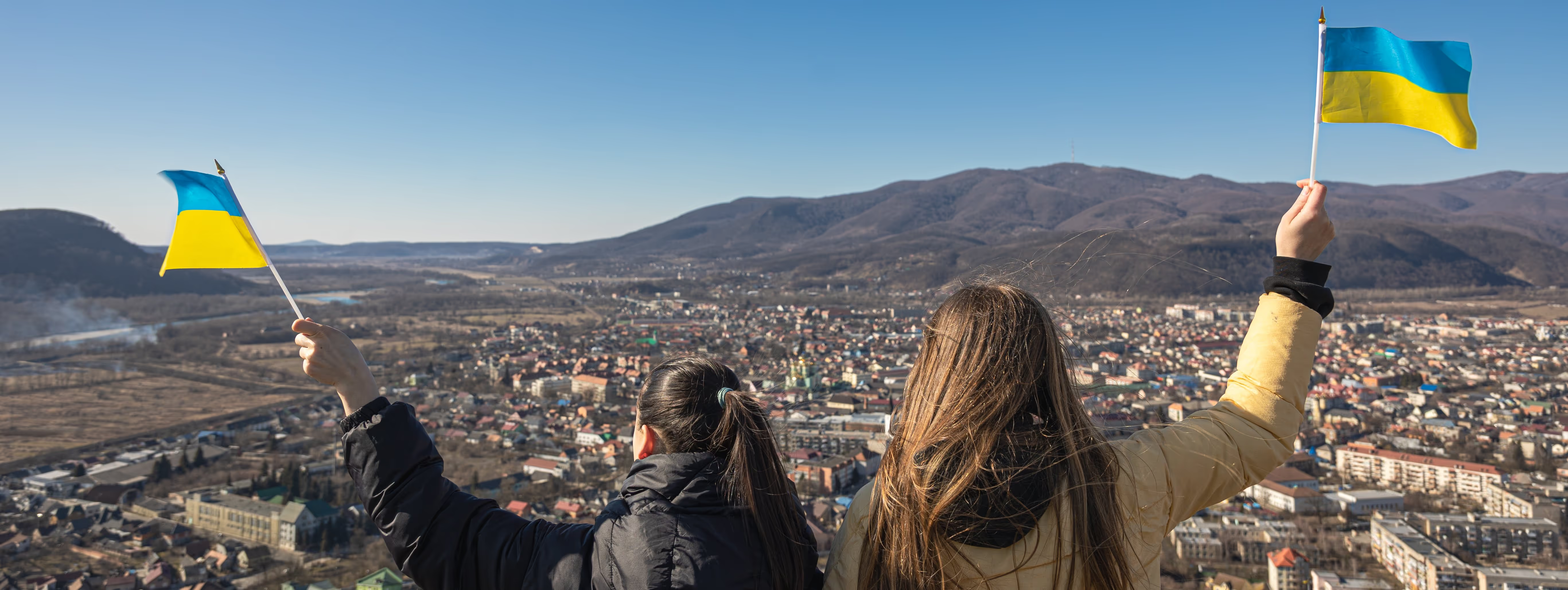
During the Russian war of aggression, women are often left to fend for themselves, managing supply shortages, caring for children and/or elderly relatives, organizing evacuations, and much more. The war has triggered a massive wave of civil society engagement and self-organization, driven primarily by women. However, despite gender quotas on electoral lists and growing social acceptance, their political representation in office remains too low.
Building a German-Ukrainian network
Launched in June 2023, "She Can" aims to build a German-Ukrainian network of female mayors, local politicians, and policy-makers. Furthermore, the project seeks to empower and provide further training to local civil society activists in fields such as education, humanitarian aid, and local government, as well as other politically interested women from various regions of Ukraine, encouraging them to run for political office. The network is intended to gradually open up to a broader audience, increase the visibility of women in politics, and include young people as a target group.
Municipal partnerships
Support for the Ukrainian population affected by the war has increasingly come from German municipalities that already had civil society or town-twinning contacts with Ukrainian cities and communities. Therefore, the project focuses on strengthening existing partnerships between German and Ukrainian municipalities and initiating new solidarity or municipal partnerships between cities and communities in both countries.
Together for democracy
For over a year and a half, EAF Berlin has been committed to supporting, promoting, and connecting women active in local politics in Ukraine, most recently through the "Together for Democracy" project. Municipalities are the hubs for providing essential services during the war and for rebuilding society. Many women are fighting on this civilian front, a large number of them in decision-making positions.
"She Can" is a collaborative project between Austausch e.V. and EAF; other partners include the organizations Dialogue for Understanding (D4U), and AEPD.
EAF Senior Advisor Dr. Helga Lukoschat traveled to Ukraine in early July 2023. In a blog post, she reports on her experiences, encounters, and the necessity of supporting Ukrainian women in their activism and in their preparations for reconstruction.
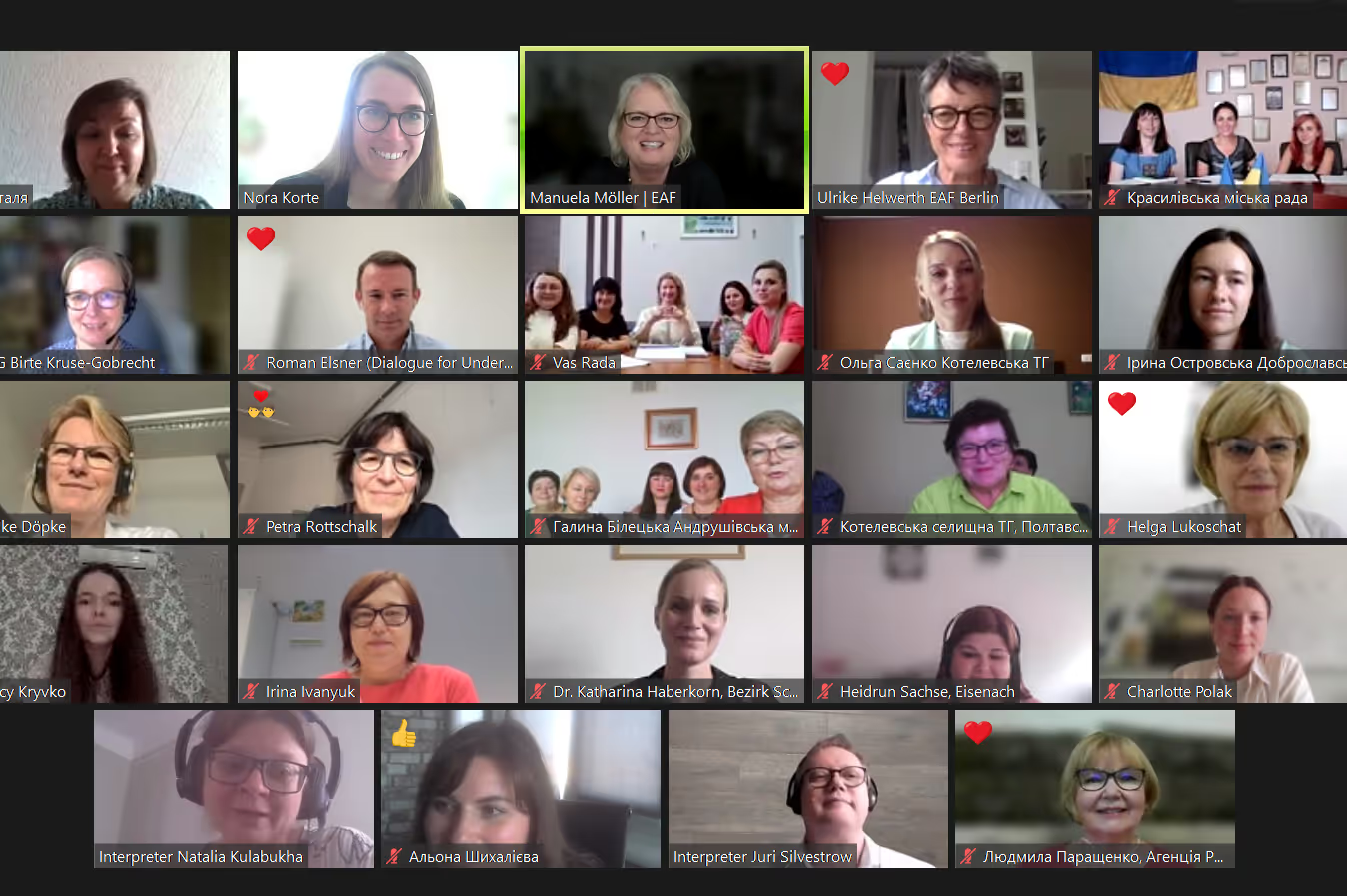
"She Can" kicked off the initiation process for future German-Ukrainian cooperation and partnerships at the municipal level with an initial online seminar.
Mayors and community leaders from five different Ukrainian regions and their teams registered for the meeting on July 13, 2023. In advance, they submitted information about their communities and outlined their expectations and wishes for future German partners, such as: youth and children's exchanges, support for housing and providing for internally displaced persons, cooperation on domestic violence and women's shelters, as well as cultural encounters and exchanges.
Six mayors and representatives from municipal administrations and women's civil society organizations from Germany participated in this first exchange. Two of these municipalities already maintain partnership relations with a Ukrainian community or an entire district.
First, Katja Glybowskaja, a city councilor in Jena and spokesperson for the Helene Weber Network, reported on the new town twinning between Jena, Erlangen, and the Ukrainian city of Brovary. This was established "quickly and without major bureaucracy" last year with the support of the Service Agency Communities in One World, which is funded by the Federal Ministry for Economic Cooperation and Development. Since then, not only have relief supplies, medical equipment, and fire department gear been sent to Brovary, but the first Ukrainian delegation has also been welcomed in Jena and introduced to various institutions.
Katharina Haberkorn, head of the EU office for the Bavarian district of Swabia, spoke about her district's long-standing partnership with Bukovina (Chernivtsi Oblast), which has taken on new significance due to the war. She emphasized that human relationships are the foundation, which can be thematically focused but should guarantee continuity even when personnel changes occur. She encouraged participants to engage in professional or cultural exchanges, noting that they can start on a small, low-threshold scale. "Open the door and step out," was her appeal.
Both sides expressed a strong interest in delving deeper into specific topics at the next meeting in August, such as the role and work of municipal gender equality officers. Germany has many years of experience with these positions, whereas "gender advisors" have only recently been introduced in Ukraine.
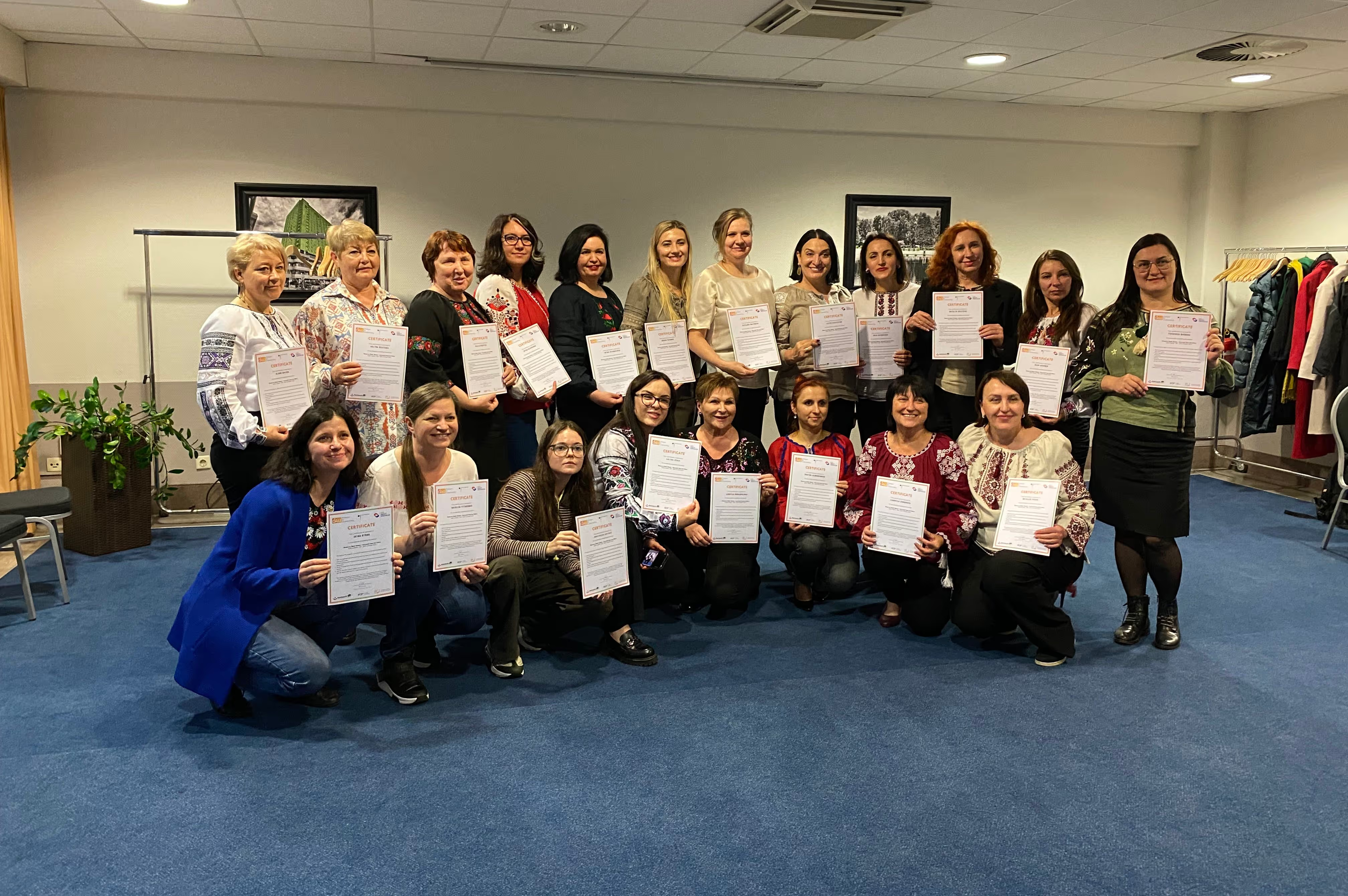
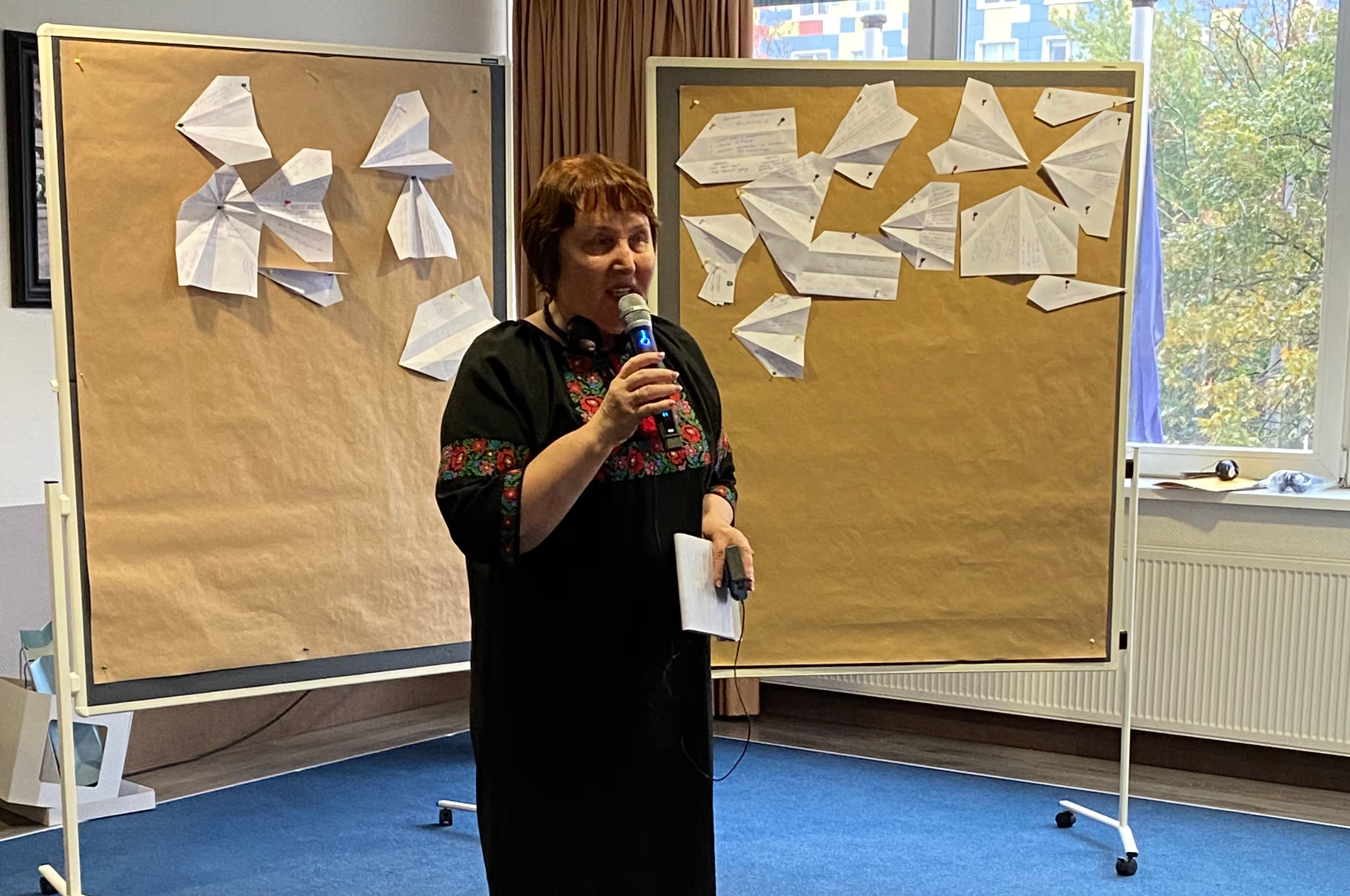
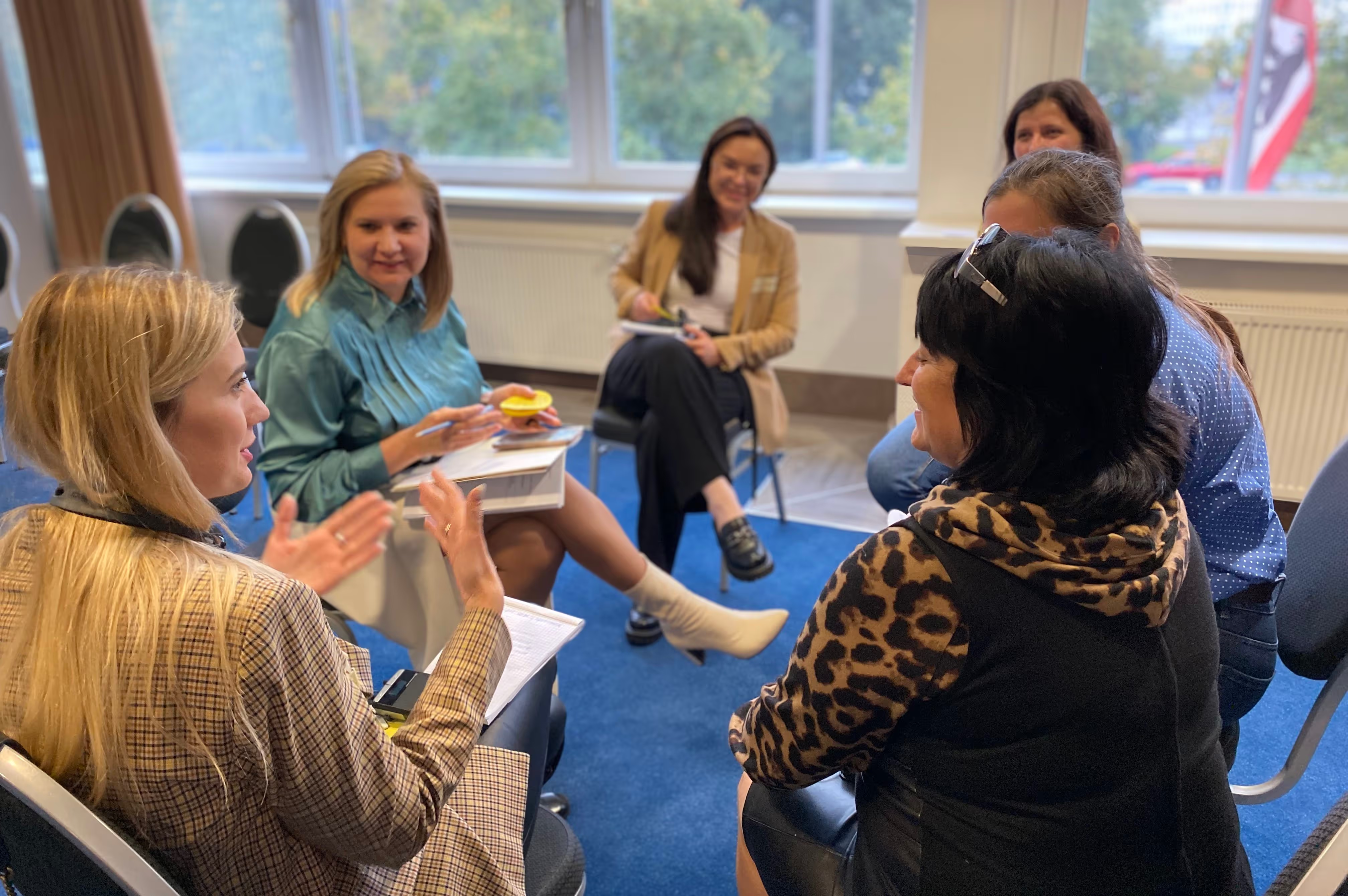
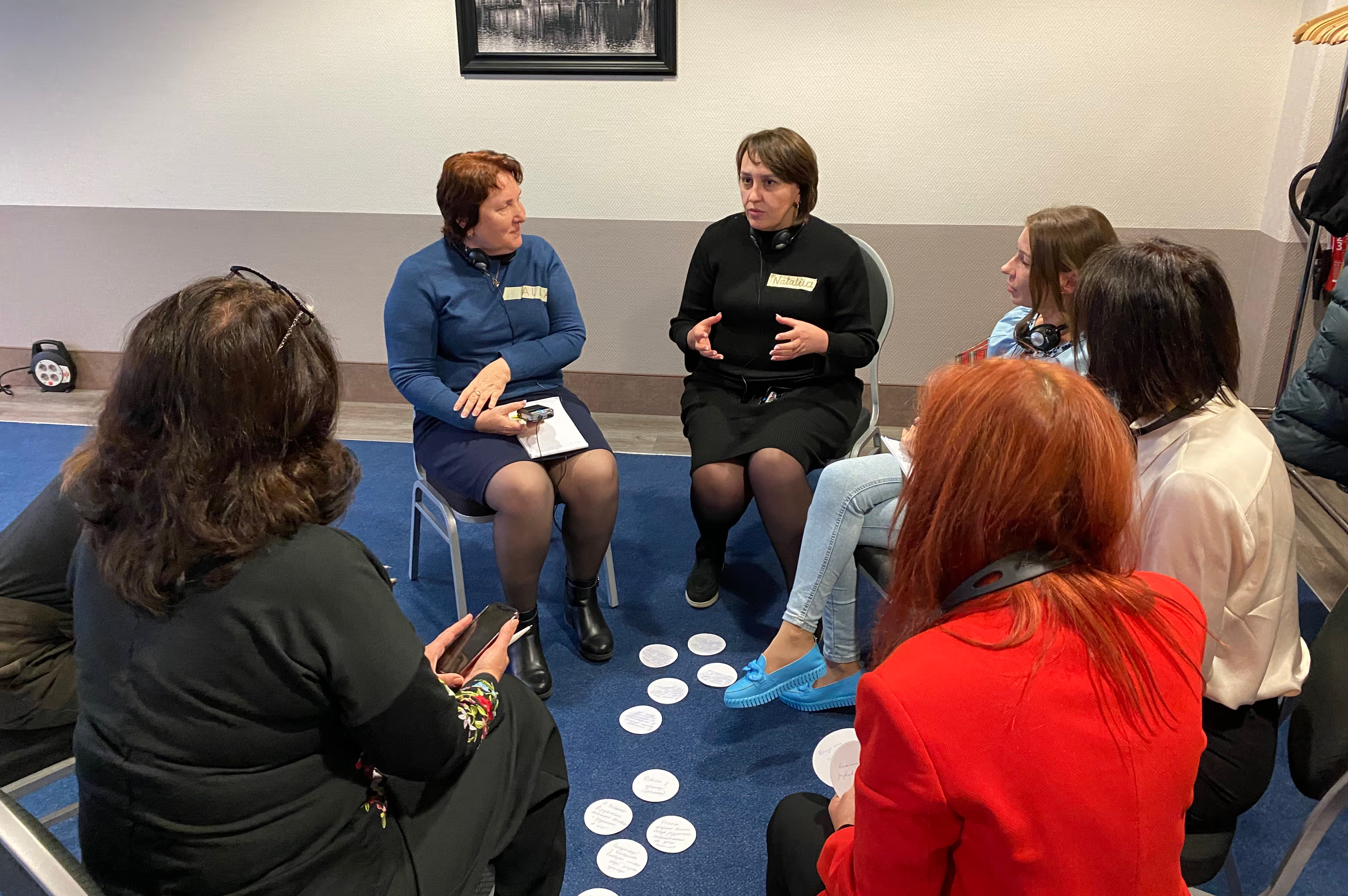
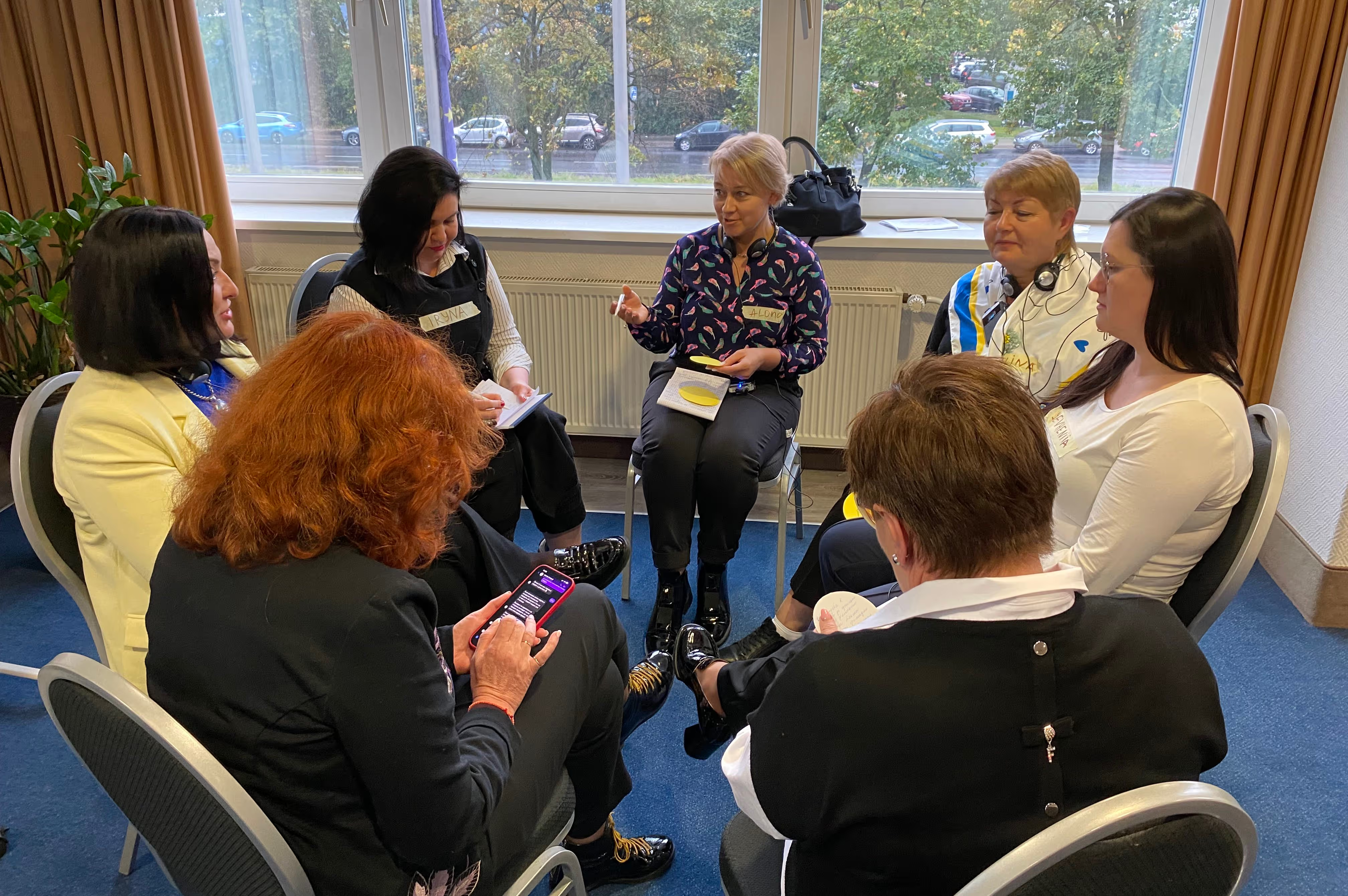
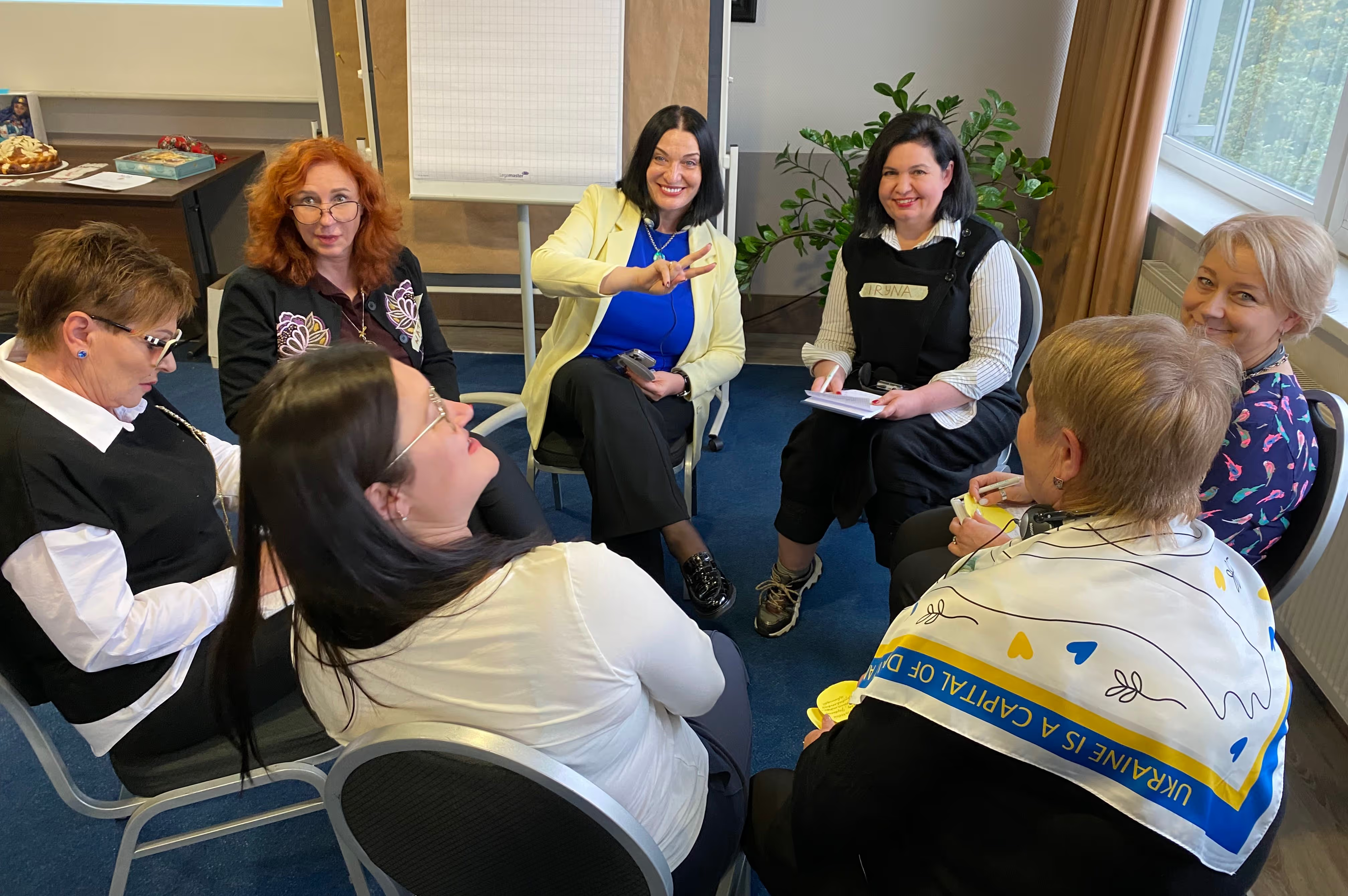
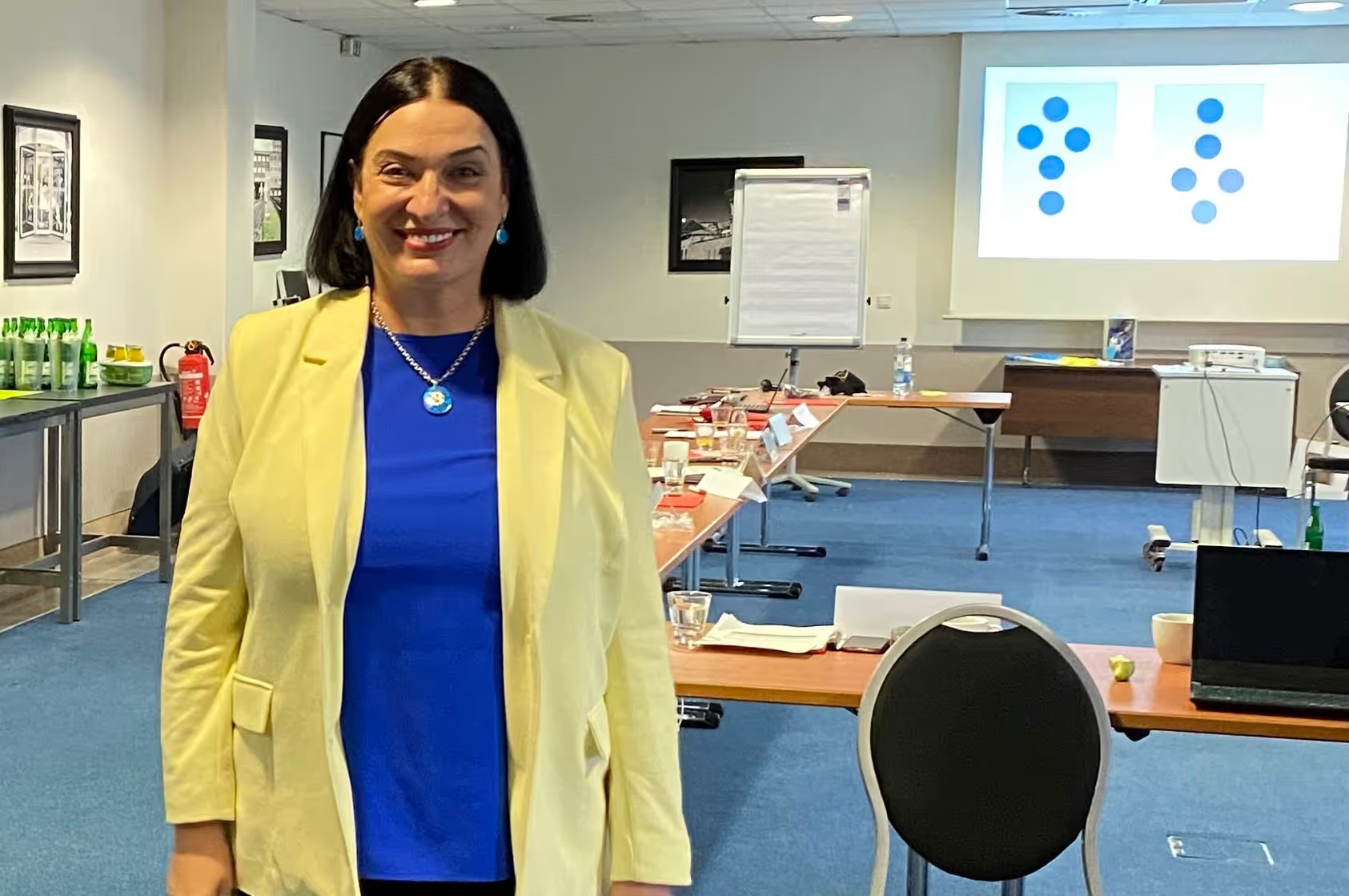
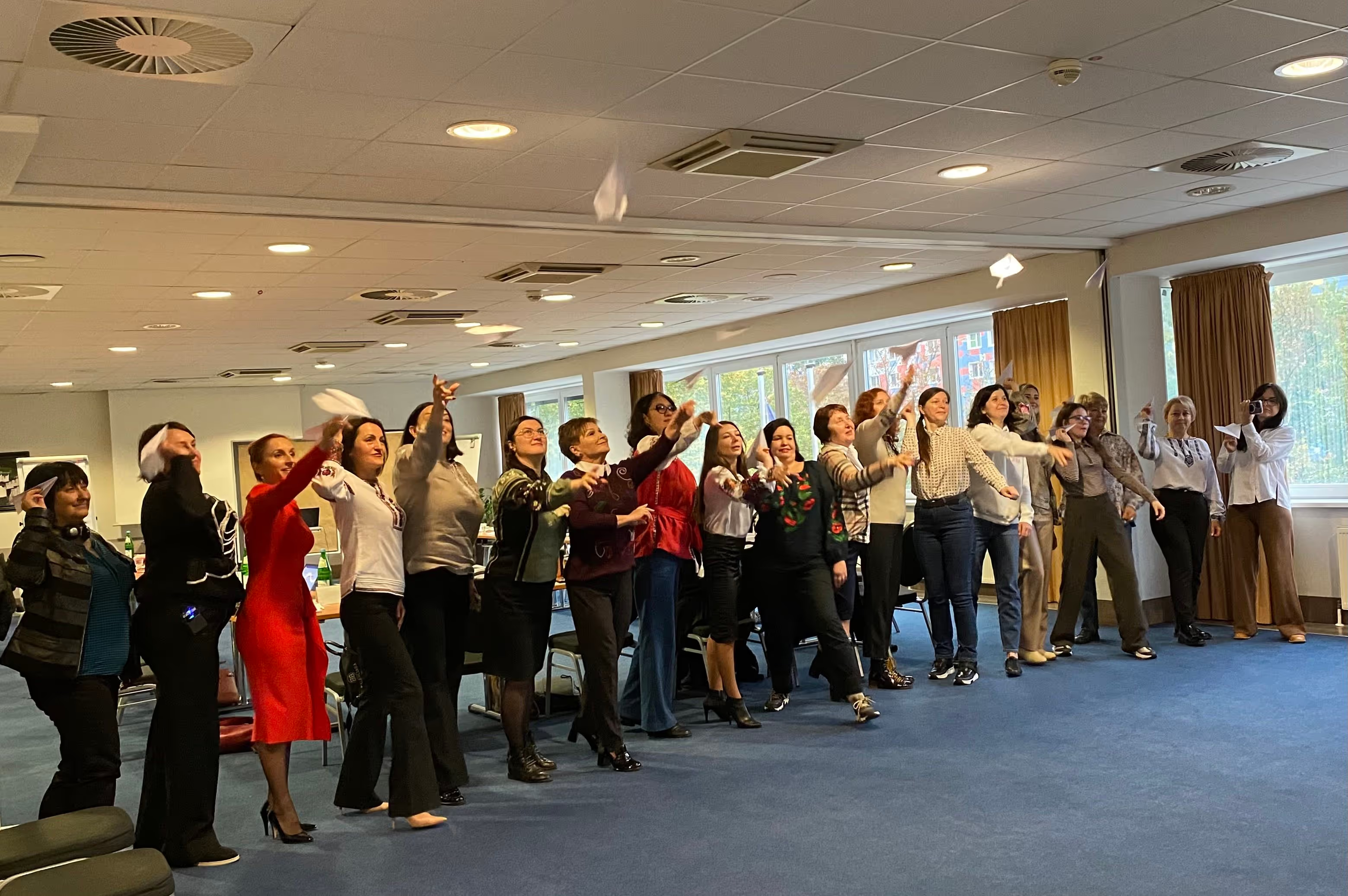
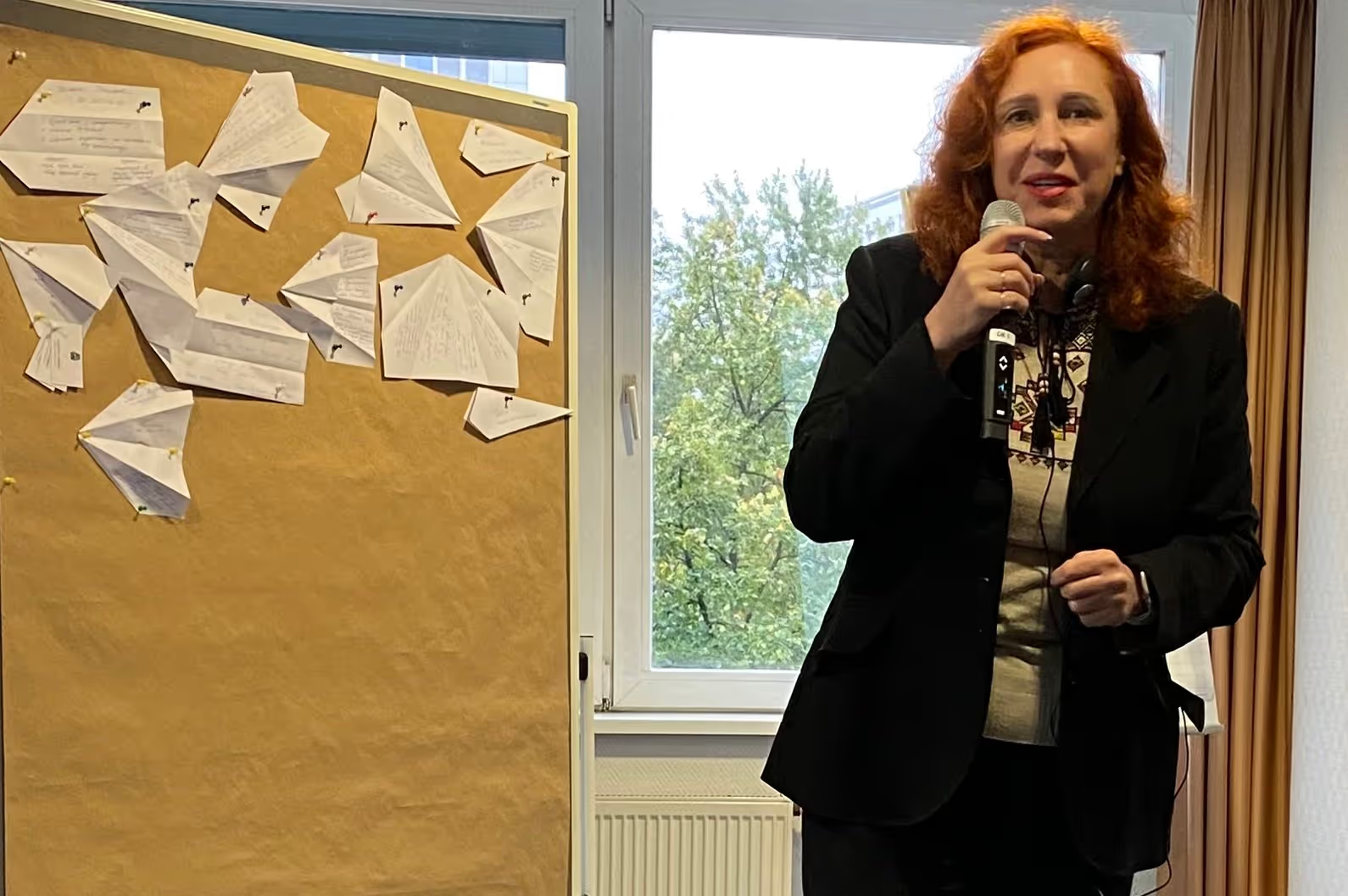
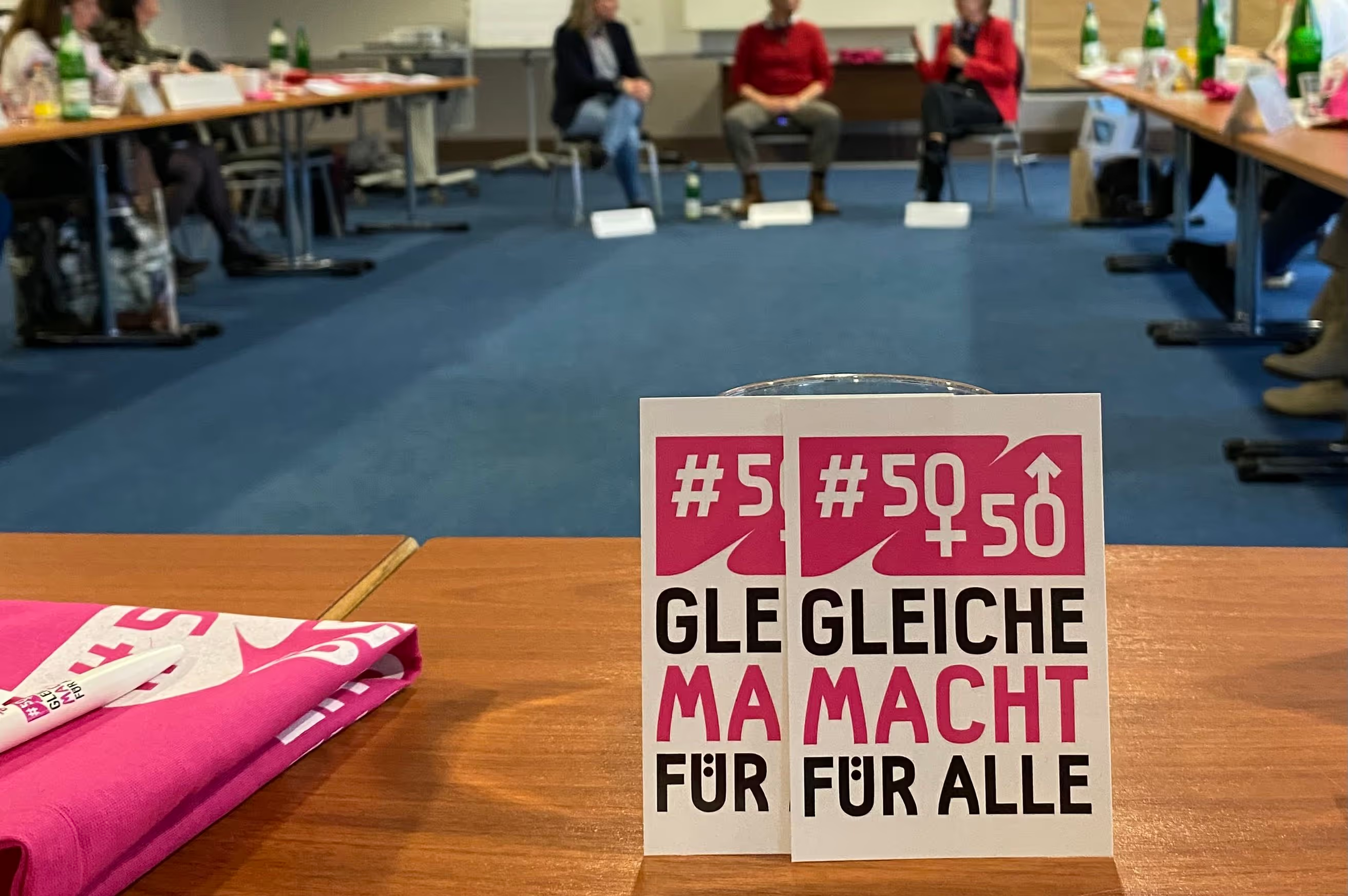
"Democracy Needs Women – Successful Steps into Politics." This was the title of a two-day seminar for women from Ukraine involved in local politics and civil society.
The "She Can" project, funded by the Federal Foreign Office, sees EAF Berlin collaborating with organizations including Austausch e.V. and D4You.
Kateryna Gipenko, Counselor at the Ukrainian Embassy in Berlin, set the tone for the working meeting right from her opening remarks: her country has long since ceased to have a "male face." Russia's ongoing war of aggression against Ukraine has noticeably shifted the gender balance. For instance, more than 50 percent of municipal and city council seats are now held by women. On this "second front," they are fully committed to the country's victory and reconstruction.
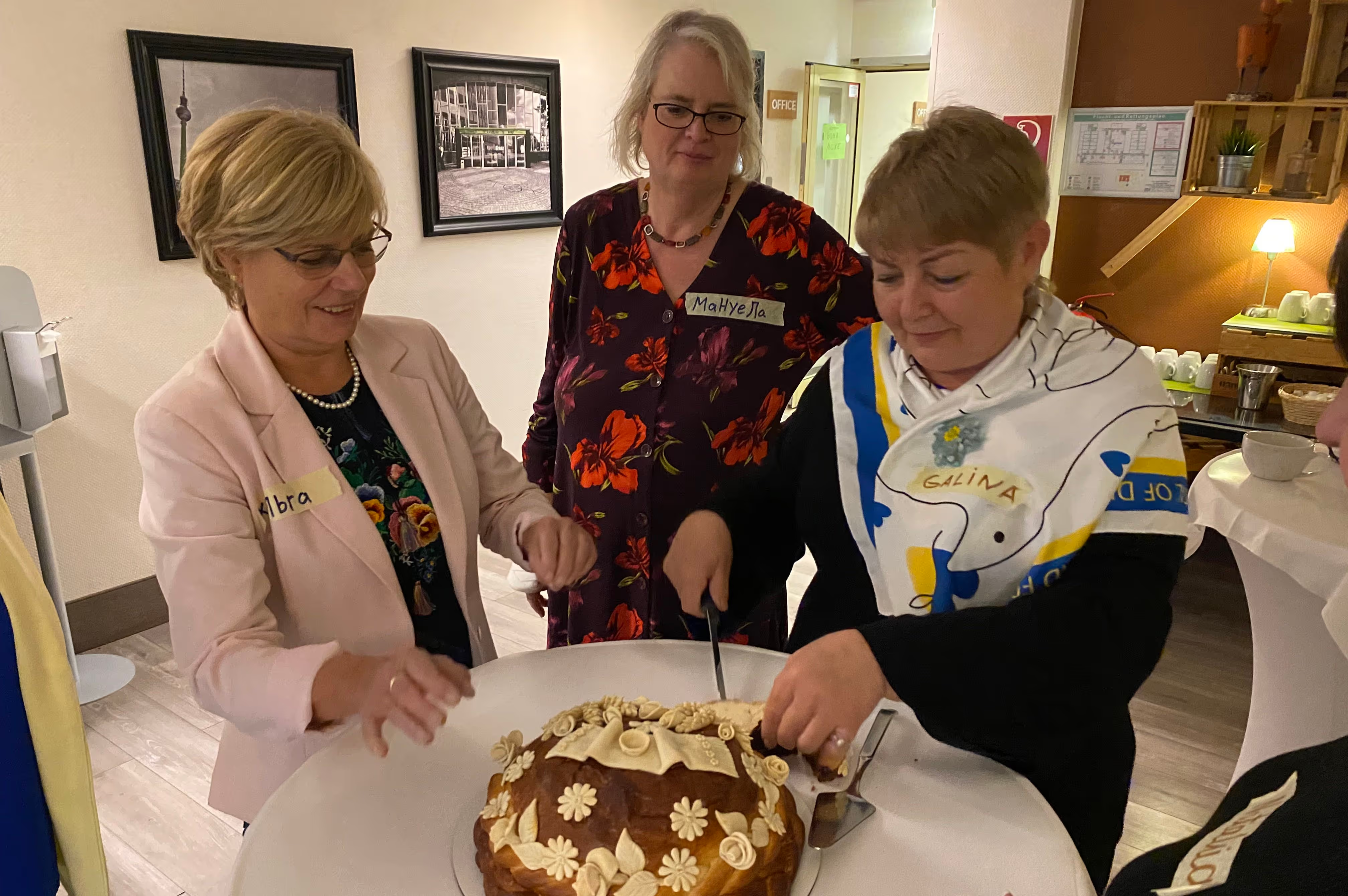
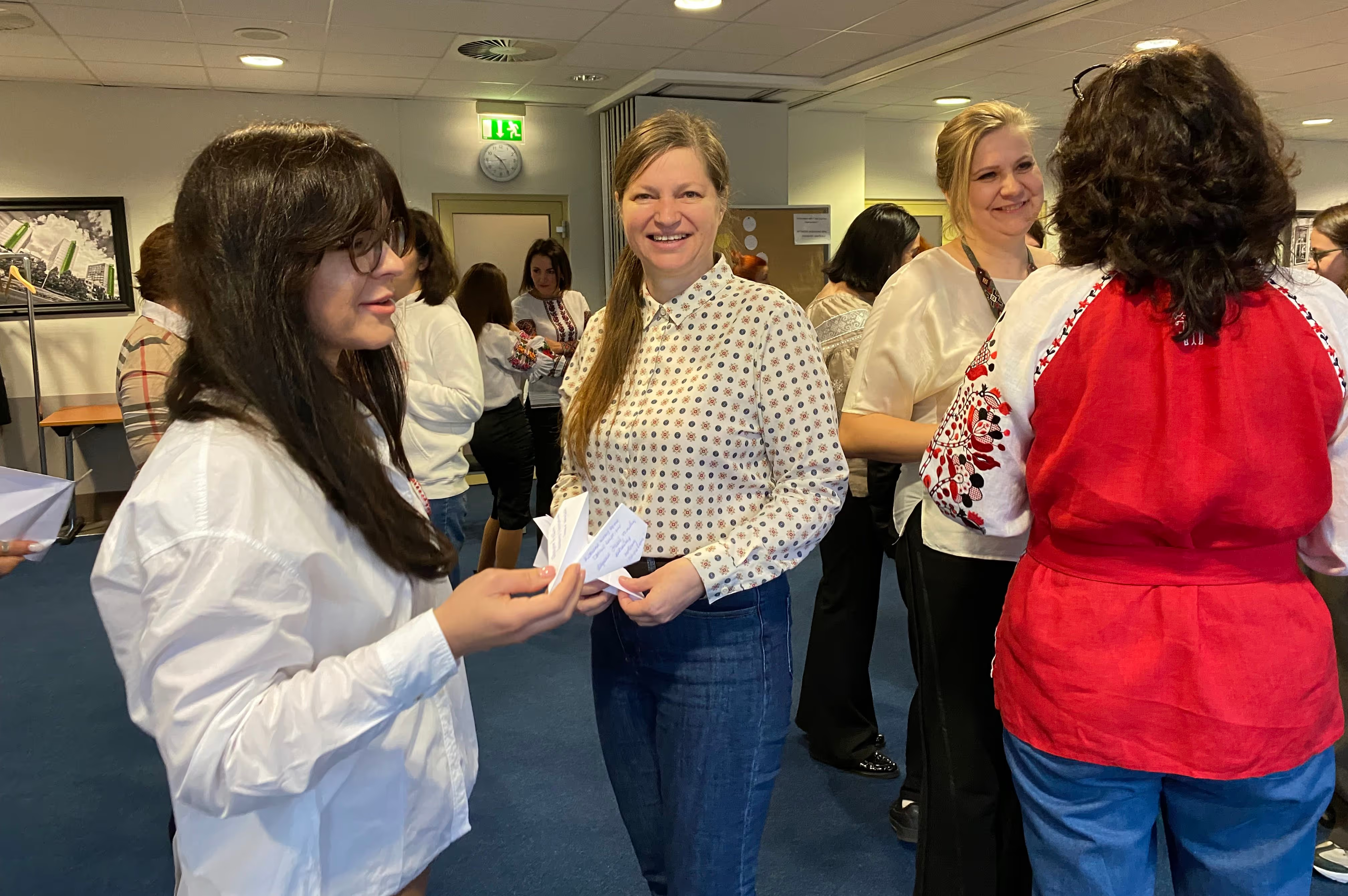
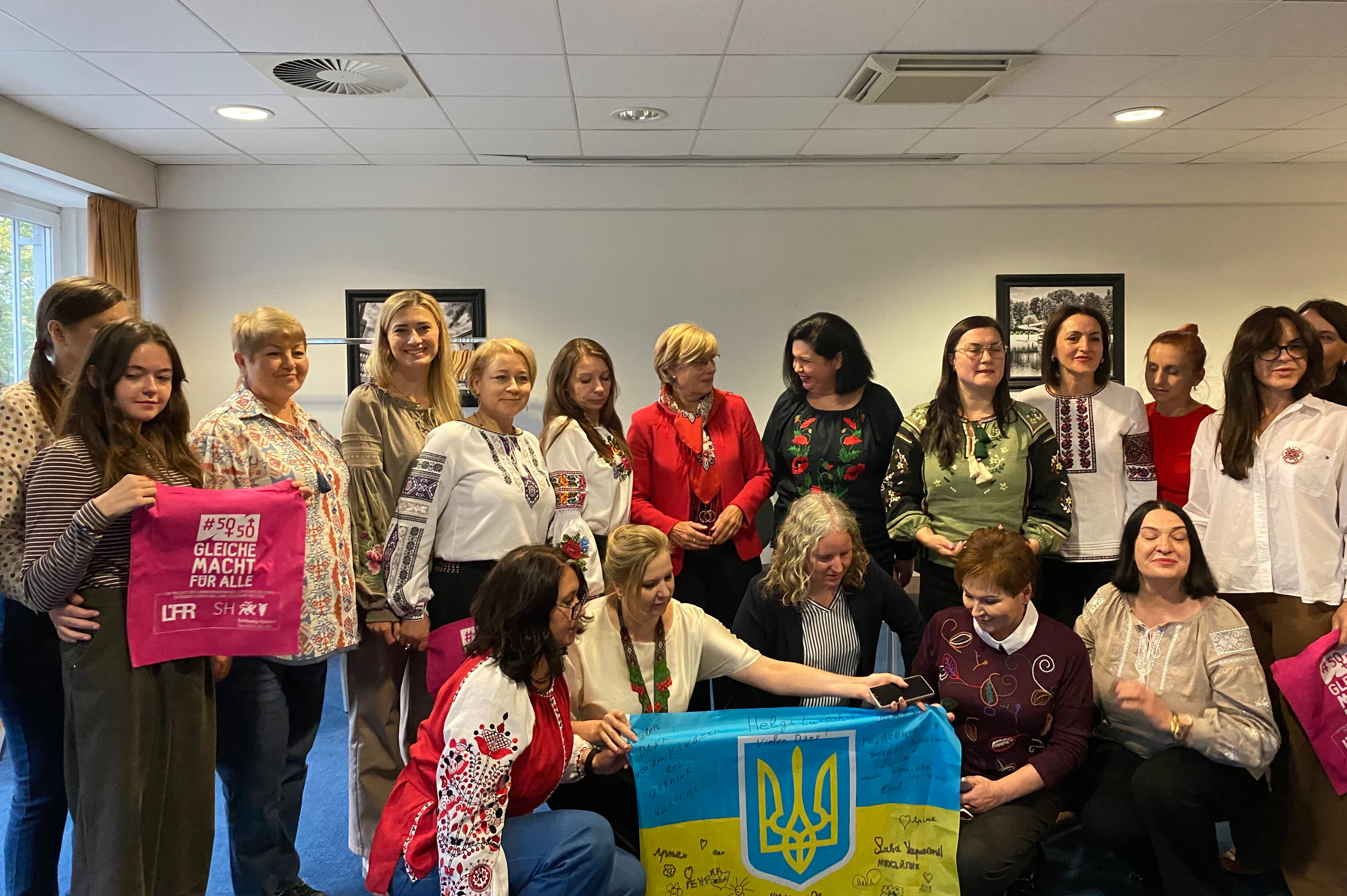
Twenty of these "home front fighters" from various regions of Ukraine made the journey to Berlin: mayors of large and small municipalities, their deputies, heads and staff of administrative units, members of municipal and regional councils, and representatives of women's civil society organizations.
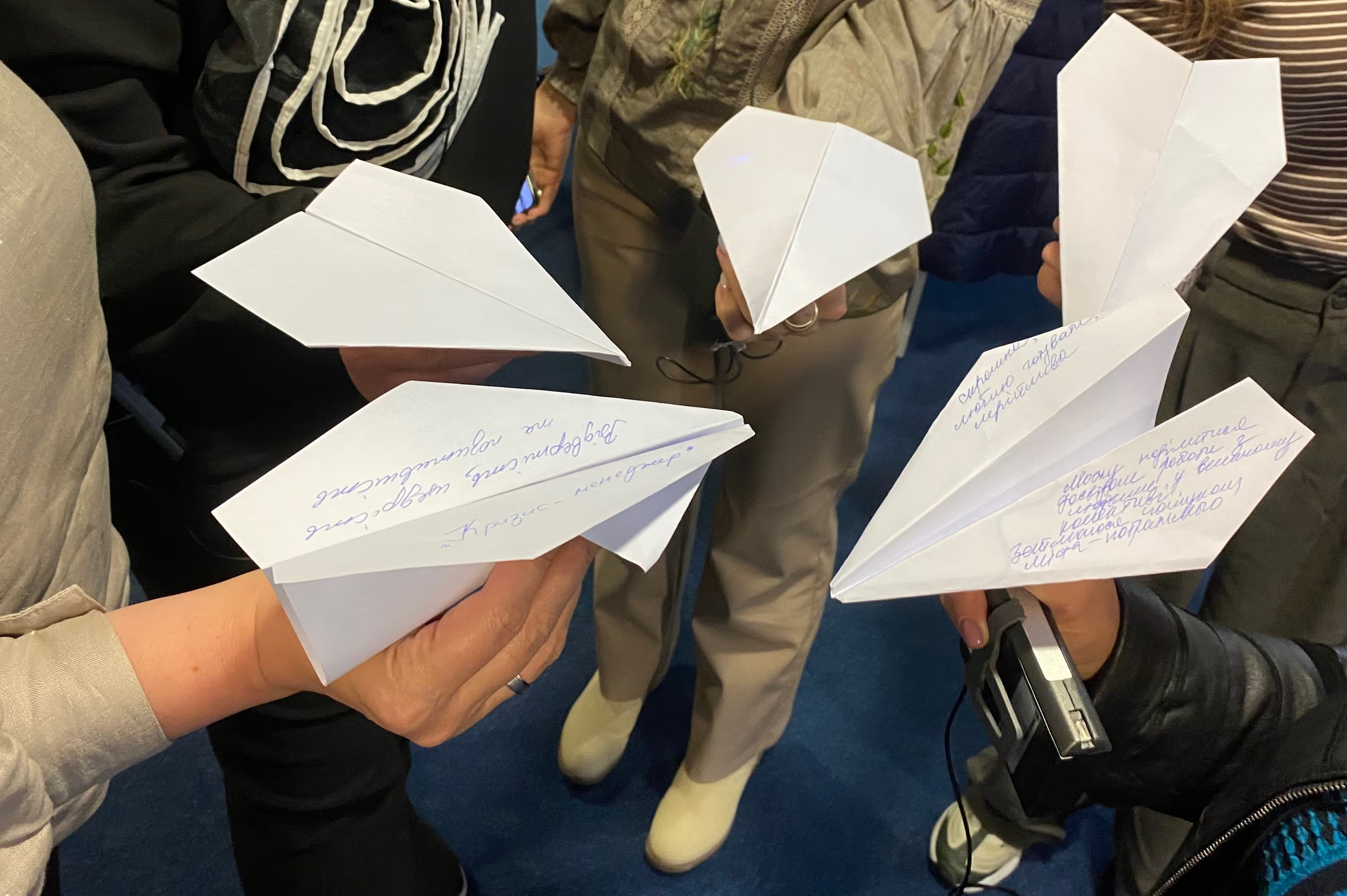
For two days, from October 19th to 20th, they and their questions were the focus: How can I become more self-effective, appear more persuasive, and work on my public presence? Using simple questions and exercises from the field of self-marketing training, some very personal and emotional answers were brought to light; surprising successes were revealed, resilience was palpable, but so were recurring self-doubt and self-criticism. Yet, due to the war, the prevailing sentiment was one of perseverance.
The Power to Act
"Everyone is born to make the world a better place." This credo was shared with the group by Ludmyla Prokopechko, mayor of the Dobroslav municipality in the Odessa Oblast (administrative district). She is proud to have been elected to her office with over ninety percent of the vote and is an undisputed female leader at the municipal level. Yevheniia Bardiak, a member of the Ivano-Frankivsk Regional Council, advocated for investing one's lifetime in "something great." However, she noted that "our women in Ukraine work far too much." Halyna Biletska, mayor of the Andrushivka municipality in the Zhytomyr Oblast, proudly reported that she has been re-elected to her office three times in a row. Her work is difficult and carries great responsibility, especially now during the war. But "modesty and silence are our greatest enemies." Natalya Deliyeva from Odessa, co-founder and chair of the women's organization "Diya," described how her understanding of power has changed. While she used to associate it with an object like a crown or a scepter, she now sees power as the "ability to act, the opportunity to make a difference."
Domestic Violence of Great Urgency
At the same time, the discussion addressed concrete topics of gender equality policy. Alexandra Ehlers, Managing Director of the Women's Council of Schleswig-Holstein, and Kerstin Dobrick, Gender Equality Officer for Berlin Mitte, joined as speakers to provide information on the framework and practical aspects of their work at the municipal and state levels. The discussion covered the legal anchoring, funding, and implementation of women's and equality policies in Germany, but focused particularly on combating domestic and partner violence. This is a topic of great urgency for Ukrainian municipalities as well, as the war has caused the number of violent incidents there to skyrocket. In some regions, such as the Kyiv Oblast, a hotline for domestic violence has already been established, and other municipalities are planning counseling centers. Working with perpetrators is also relevant for the Ukrainian side. A further German-Ukrainian exchange of experience on this complex issue was agreed upon and is to take place in the near future.
Town Twinning
The topic of "town twinning" was also important—a cornerstone of the "She Can" project. The functionality and resilience of Ukrainian municipalities are essential prerequisites for surviving the war and rebuilding the country according to democratic principles.
Four of the municipalities represented at the seminar are already in contact with German counterparts. EAF is currently looking for a partnership for a fifth Ukrainian municipality. The task now is to fill these contacts with concrete proposals for cooperation and exchange. The Ukrainian side has a wide range of ideas and requests for their German partners: cultural and youth exchanges, hardware for schools, school buses, medical and socio-psychological rehabilitation measures, and support for the children of internally displaced persons.
The World Must Not Look Away
In the end, the participants agreed that these two days, far away from the war and completely focused on themselves, were a valuable break. One piece of feedback was that this time is missing in everyday life, but is necessary time and again "to reinvent oneself." "We reminded each other of what we are strong in and what we are capable of," said one participant. "Only a woman looks at the world through the prism of renewal," another phrased it more poetically.
However, the multifaceted thanks to the organizers from EAF Berlin and Austausch e.V. were mixed with a warning: "All of this only makes sense if the whole world continues to support us," appealed Mayor Prokopechko from Dobroslav. There is a great fear that Ukraine will fade from the focus of public attention due to the war in the Middle East. Personal encounters and partnerships help to counter this as well.
Contact
If you have any questions about the project, please feel free to contact the person in charge:
Dr. Helga Lukoschat
Board Member and Senior Advisor at EAF Berlin
Bildergalerie
Für die volle Ansicht das Bild anklicken.
Kontakt
Wenden Sie sich gerne an die zuständige Ansprechperson:
.jpg)