Femtec comes to an end—its impact lives on
A significant chapter comes to an end
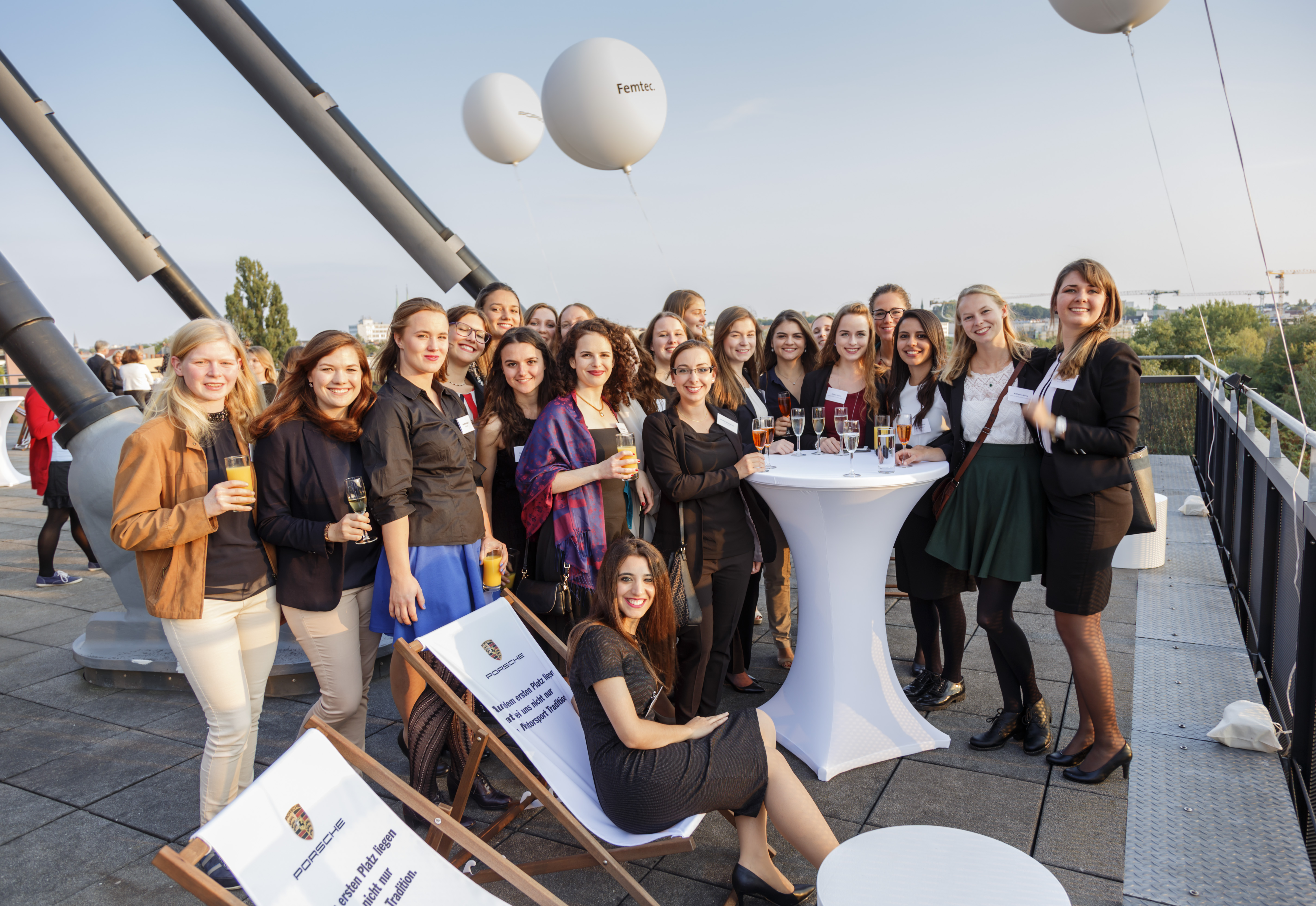
With Femtec ending on April 30, 2026, an important chapter in the advancement of women in STEM is closing. At the same time, this moment is an opportunity to look back on an extraordinary history of development. Femtec did not just support women in technical and scientific fields; over many years, it changed structures, enabled collaborations, and opened up new perspectives.
Since its inception, Femtec has supported women in STEM in a unique way: through qualification programs, close networking between universities and companies, and a strong focus on visibility, career development, and mutual support. In doing so, Femtec did not just talk about gender equality in STEM fields—it actively and concretely advanced it.
The impact is still evident today in the professional paths of numerous alumnae. Many of them now hold positions of responsibility in science, business, and administration, drive change within their organizations, and serve as role models for future generations.
Femtec and EAF Berlin: Strong partners
Femtec was founded at the end of 2000 as a joint initiative of EAF Berlin and TU Berlin. From the beginning, Femtec was significantly shaped by the founders of EAF Berlin: Prof. Dr. Barbara Schaeffer-Hegel, Dr. Helga Lukoschat, and Dr. Marion Esch. Dr. Helga Lukoschat was appointed as Managing Director. The starting point was the question of how young women in STEM degree programs could be specifically empowered, better networked, and supported early on in their career paths.
In doing so, Femtec built upon approaches that had already been successfully tested at EAF Berlin in the development of female professionals and executives. This connection created a model that systematically combined career advancement, practical relevance, and network building.
Recognizing an extraordinary achievement
For more than two decades, Femtec has achieved extraordinary things for gender equality in STEM. The organization empowered women in a field where they had long been underrepresented and created spaces where guidance, self-confidence, and professional perspectives could flourish.
Marion Zessner, Managing Director of Femtec, says:
“Femtec is ending as an organization, but not as an idea. The questions that drove us from the beginning remain relevant: How do we attract more women to STEM? How do we support them on their journey? How do we create fairer access, more visibility, and better structures in science and business?”
What remains and how Femtec continues to have an impact
The conclusion of Femtec’s work marks a significant turning point. Yet its legacy remains profound: in the networks that have flourished, in the experiences of those involved, and in the ideas that will continue to shape new contexts and formats.
For EAF Berlin, Femtec remains an important part of our history—and a powerful example of how structural change can be initiated. The issues Femtec championed remain highly relevant.
Read more about Femtec, its success story, and its lasting impact in the blog post by Marion Zessner: